Dry Eye
Dry Eye
Dry Eye Treatment in Belmont, NC
Looking for dry eye treatment in Belmont, NC? Belmont Eye provides comprehensive evaluation and personalized treatment for dry, burning, watery, gritty, irritated, or uncomfortable eyes.
Dry eye disease can have many causes, including meibomian gland dysfunction, inflammation, tear-film instability, eyelid conditions, medications, environmental factors, and other health conditions. Because the underlying cause can differ from one patient to another, effective treatment begins with identifying what is contributing to your symptoms.
Our doctors develop an individualized treatment plan based on your symptoms, eye health, tear film, eyelids, and meibomian glands. Treatment may include at-home care, prescription medications, in-office therapies, or a combination of approaches.
Comprehensive Dry Eye Evaluation
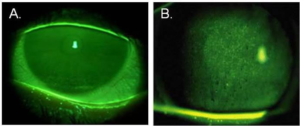
Dry eye symptoms can have many different causes, so treatment begins with identifying what is contributing to the problem. During a dry eye evaluation, our doctors examine the ocular surface, tear film, eyelids, and meibomian glands to look for signs of inflammation, tear-film instability, meibomian gland dysfunction, blepharitis, and other conditions that may contribute to your symptoms.
When appropriate, advanced testing and imaging such as meibography can provide additional information about the health and structure of the meibomian glands. These findings help us develop a treatment plan based on the underlying cause and severity of your dry eye rather than treating symptoms alone.
At Belmont Eye we offer the following treatments that can be tailored to your needs:
- Ocular hygiene and eyelid care
- Warm compresses and at-home dry eye therapy
- Nutritional support when appropriate
- Prescription dry eye medications
- Lid debridement and eyelid cleaning
- Zocular ZEST eyelid treatment
- Punctal plugs
- Amniotic membrane therapy
- Autologous serum eye drops
- Scleral lenses
- Radiofrequency treatment for meibomian gland dysfunction
Dehydrated Amniotic Membrane Therapy
For patients with significant ocular surface disease or corneal damage, our doctors may recommend a dehydrated amniotic membrane to support healing. Amniotic membrane tissue provides a protective environment for the ocular surface and may help promote corneal epithelial healing and reduce inflammation.
Belmont Eye uses several types of dehydrated amniotic membrane products, allowing our doctors to select the option best suited to each patient’s eye condition and treatment needs. Depending on the product used, the membrane may be placed directly on the ocular surface and covered with a bandage contact lens while the eye heals.
PROKERA®
PROKERA® Hydrated Amniotic Membrane for Severe Dry Eye
For some patients with moderate to severe dry eye or significant damage to the corneal surface, an amniotic membrane may be recommended to support healing. PROKERA® is a cryopreserved amniotic membrane held in place by a self-retaining ring and placed on the eye temporarily. The membrane provides a protective environment that can help reduce inflammation and support healing of the ocular surface. Our doctors determine whether PROKERA is appropriate based on the condition of your cornea and the underlying cause of your symptoms.
PROKERA®
Frequently Asked Questions
PROKERA® is a therapeutic device used by eye doctors around the world to protect, repair and heal damaged eye surfaces. PROKERA® is made by fastening a piece of amniotic membrane to a polycarbonate ring.
PROKERA® allows for easy insertion and removal of the device in your doctor’s office. When PROKERA® is placed on your eye, it will aid in healing, minimize scarring, and decrease inflammation and related pain.
Ask your eye doctor for more details about using PROKERA® to treat your eye surface condition.
Helps the eye heal: The amniotic membrane tissue in PROKERA® has natural therapeutic actions that help damaged eye surfaces heal. Eyes treated with PROKERA® have quicker healing, less scarring, and less inflammation and related pain.
Protects the eye surface: The amniotic membrane in PROKERA® is thin like the tissue on the surface of your eye and protects your eye’s damaged tissue while inserted.
Amniotic membrane is part of the placenta. It is the tissue closest to the baby throughout development in the womb. Amniotic membrane protects the baby from any harm and it has natural therapeutic actions which help the baby develop. This tissue has healing properties that aid in ocular surface repair.
PROKERA® is used by eye doctors all over the world to treat eye diseases such as keratitis, corneal scars, chemical burns, corneal defects, partial limbal stem cell deficiency and many other ocular surface diseases with inflammation.
In-Office Eyelid Treatment
Zocular ZEST Eyelid Cleaning for Blepharitis & Dry Eye
Who it’s for:
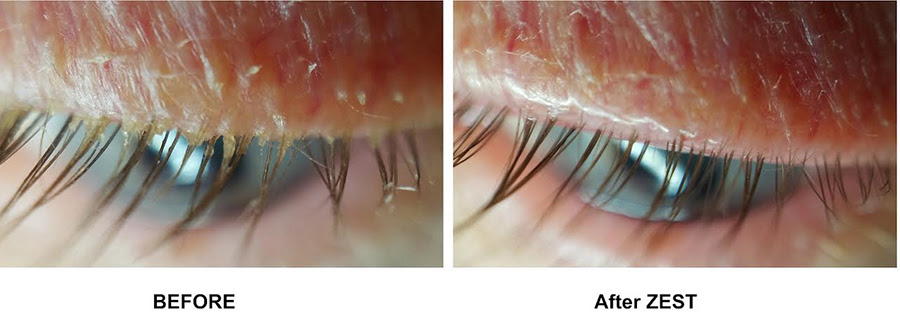
Blepharitis and meibomian gland dysfunction can cause debris, biofilm, and inflammation to build up along the eyelid margins, contributing to dry eye symptoms. Zocular ZEST is an in-office eyelid cleaning and debridement treatment designed to gently remove accumulated debris and thoroughly clean the eyelid margins.
Our doctors may recommend ZEST as part of a personalized treatment plan for patients with blepharitis, meibomian gland dysfunction, or persistent eyelid debris. At-home eyelid hygiene may also be recommended to help maintain results between visits.
What to Expect:
Lay back and relax to some soothing spa music while we perform a thorough cleaning of the lid margin and lashes using the Zocular ZEST kit made with micellar okra complex to gently lift and clear oil, debris, and any residue on the eyelid margins and lashes. The procedure requires no downtime and you can enjoy the immediate results of cool, refreshed eyelids. Results can be maintained with an at-home daily lid hygiene routine designed by Dr. Mota and Dr. McNutt.
Dry Eye
Punctal Plugs for Dry Eye Treatment
HERE’S HOW THEY WORK:
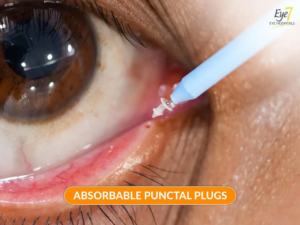
Punctal plugs are tiny devices placed in the tear drainage openings of the eyelids to help keep tears on the surface of the eye longer. By slowing tear drainage, punctal plugs can help improve tear retention and may reduce dry eye symptoms in appropriately selected patients.
Different types of punctal plugs are available, including temporary dissolvable plugs and longer-lasting options. Our doctors will determine whether punctal plugs are appropriate based on the type and severity of your dry eye, tear production, inflammation, and other findings from your examination.
What Is Meibomian Gland Dysfunction (MGD)?
Meibomian gland dysfunction (MGD) is one of the most common contributors to evaporative dry eye. The meibomian glands are located inside the eyelids and produce oils that help prevent tears from evaporating too quickly.
When these glands become blocked or do not produce healthy oils, the tear film can become unstable. This may cause burning, grittiness, watering, redness, fluctuating vision, or a feeling that something is in the eye. Because MGD can be present even when symptoms seem mild, evaluating the eyelids and meibomian glands is an important part of a comprehensive dry eye evaluation.
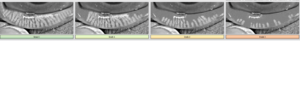
Meibography: Imaging the Meibomian Glands
Meibography allows our doctors to view the structure of the meibomian glands beneath the eyelids. These images can reveal gland shortening, distortion, or loss that cannot be seen during a routine external examination.
At Belmont Eye, meibography can help us better understand the severity of meibomian gland dysfunction, educate patients about their eye health, and develop an individualized treatment plan.
Radiofrequency Treatment for
Meibomian Gland Dysfunction
Meibomian gland dysfunction (MGD) is a common cause of evaporative dry eye. When the oils produced by the meibomian glands become thick or the glands become obstructed, the tear film can evaporate too quickly, leading to burning, irritation, fluctuating vision, and other dry eye symptoms.
Belmont Eye offers TempSure® Envi radiofrequency (RF) treatment as an in-office therapy for selected patients with MGD-related dry eye. Radiofrequency gently heats the tissues around the eyelids, helping warm the meibomian glands and improve the flow of oils that are important for a healthy tear film.
Our doctors evaluate your meibomian glands and ocular surface to determine whether radiofrequency treatment is appropriate for you and how it should be incorporated into your individualized dry eye treatment plan.
Schedule a Dry Eye Evaluation in Belmont, NC
If burning, watering, grittiness, redness, fluctuating vision, or persistent eye irritation is affecting your daily life, schedule a dry eye evaluation at Belmont Eye. Our doctors can help determine what’s contributing to your symptoms and recommend an individualized treatment plan.
Skin Tightening with TempSure Envi
TO REDUCE FINE LINES AND WRINKLES
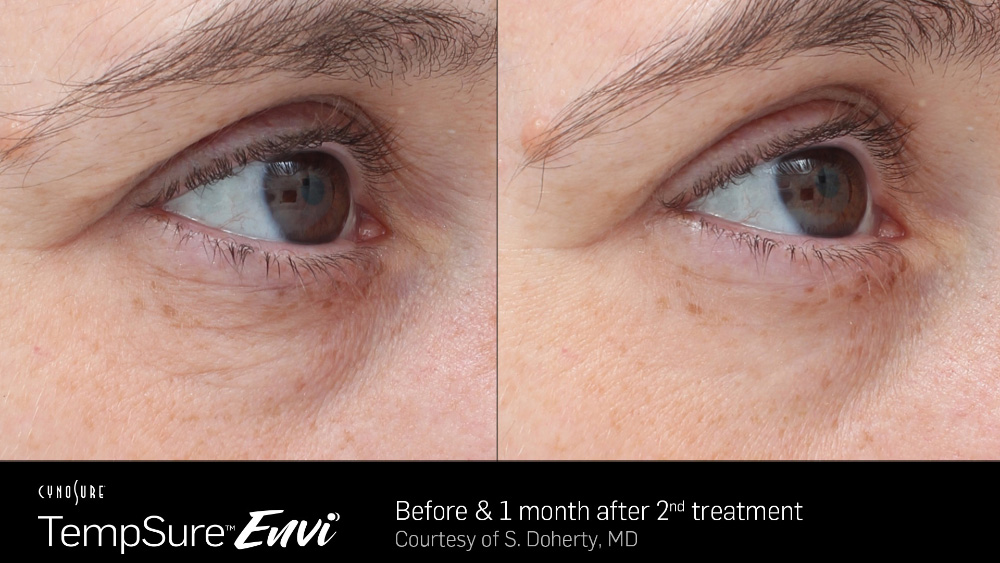
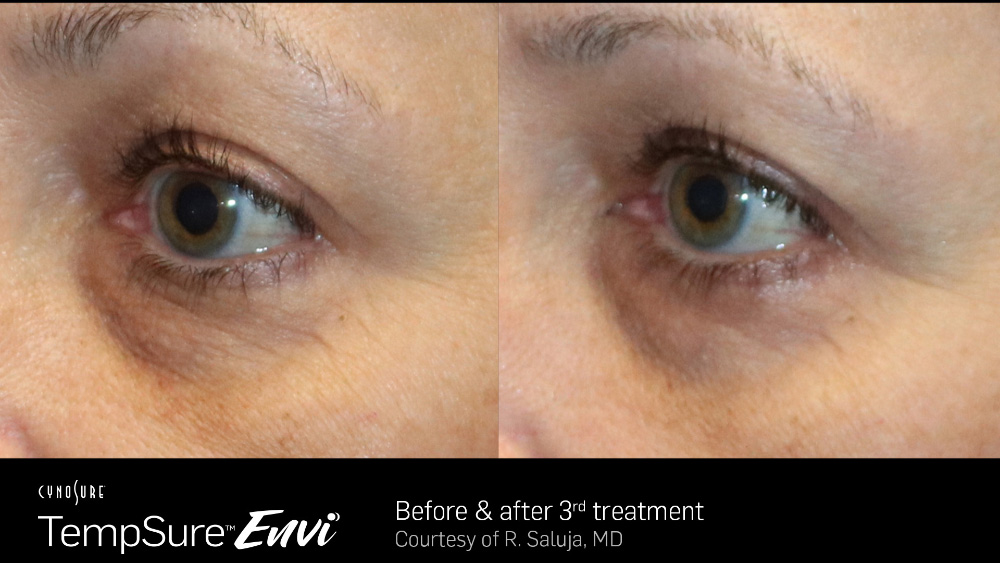
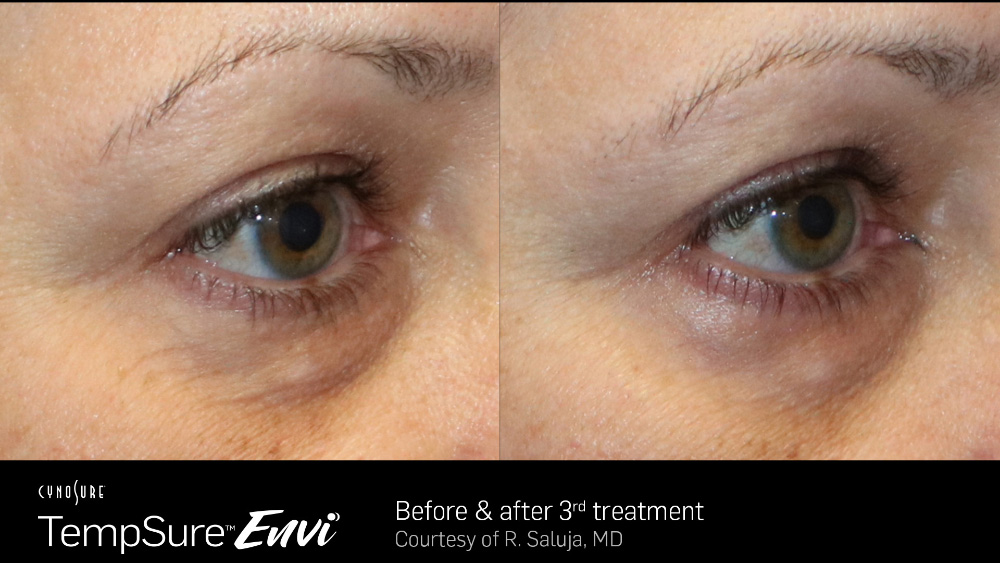
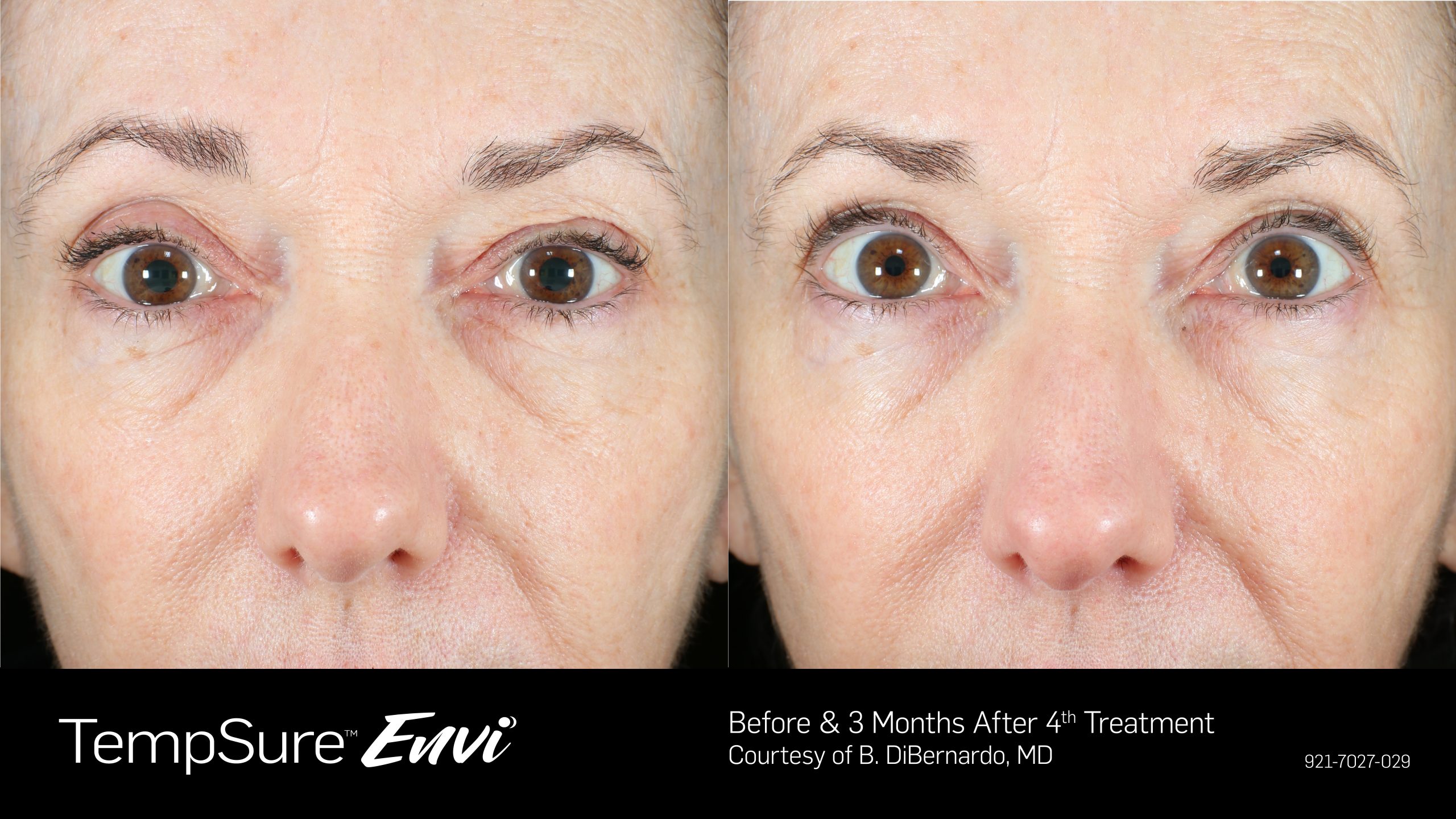
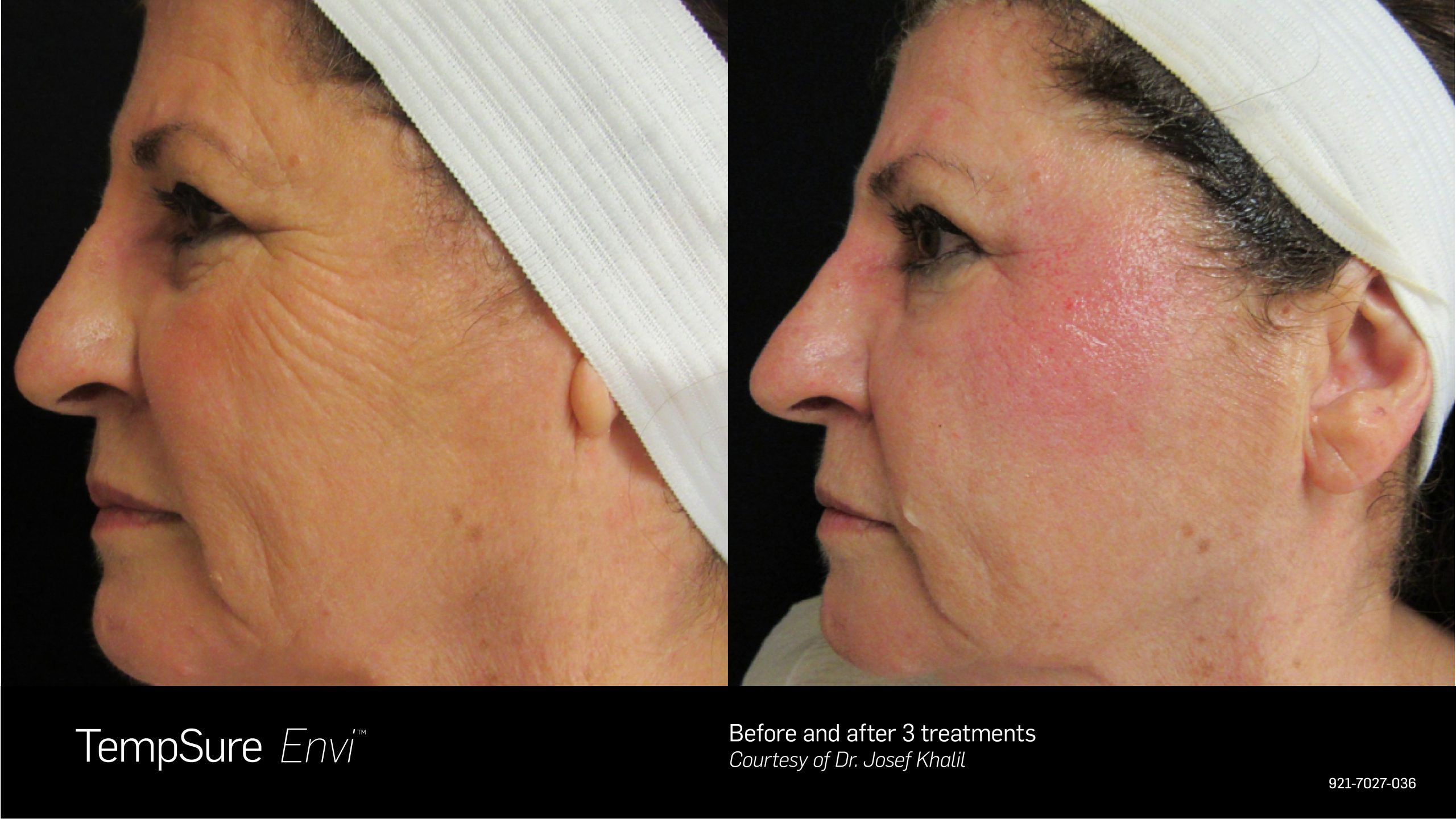
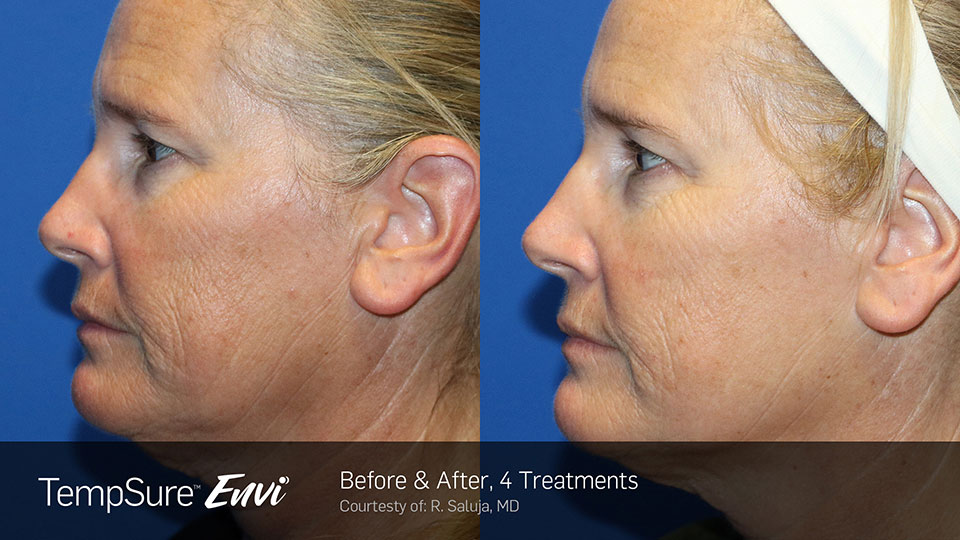
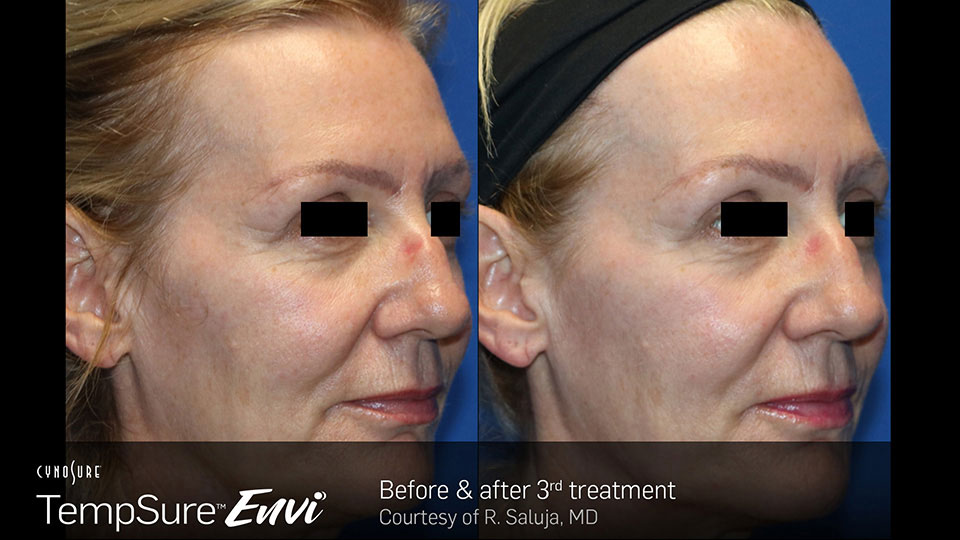
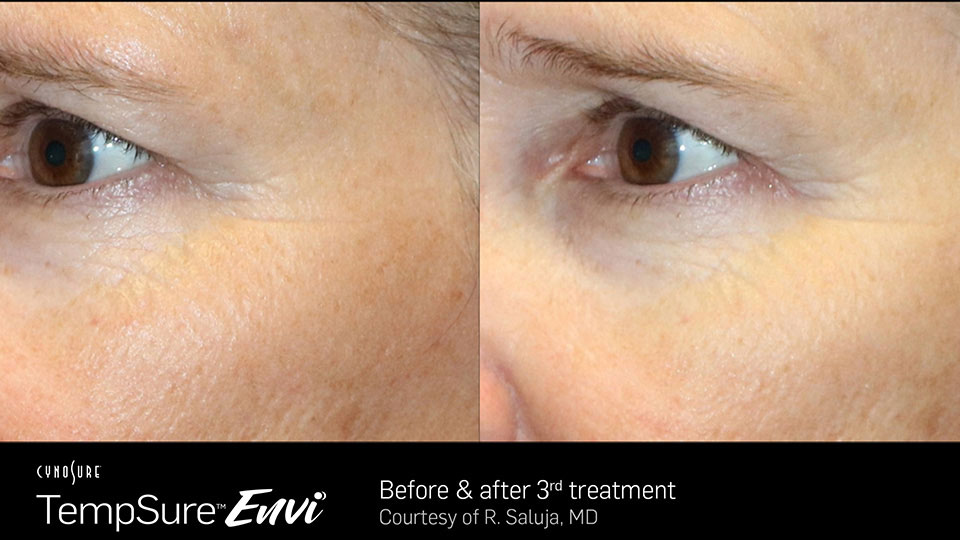
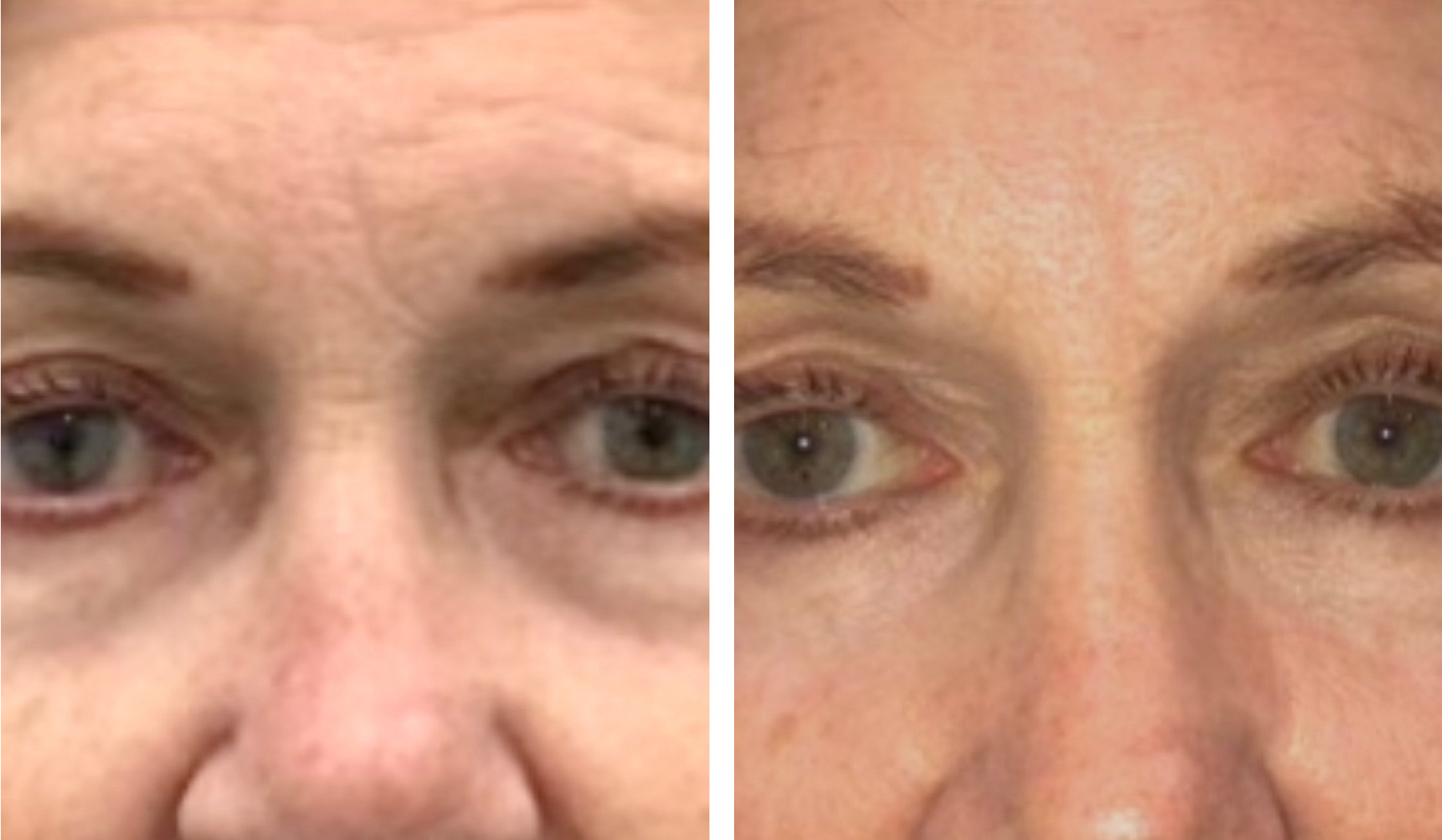
TempSure® Envi is a non-invasive radiofrequency treatment designed to gently heat the deeper layers of the skin. This controlled heating stimulates collagen production and can improve the appearance of fine lines, wrinkles, and skin laxity. Treatments can be customized for areas of the face, including the delicate skin around the eyes.
“I have been dealing with dry eye for years. I felt like my eyes were faucets constantly leaking. After 3 sessions of the Tempsure therapy, my watery eyes are almost never a problem-even during allergy season!! ” – Emily W.
Marie Claire called it a “Non-Surgical, Completely Painless, 20-Minute Face Lift”
Non-Surgical Skin Tightening with Minimal Downtime
Most patients begin to see results shortly after the first treatment.
Dr. Rachael Wruble’s medical-grade skincare line:
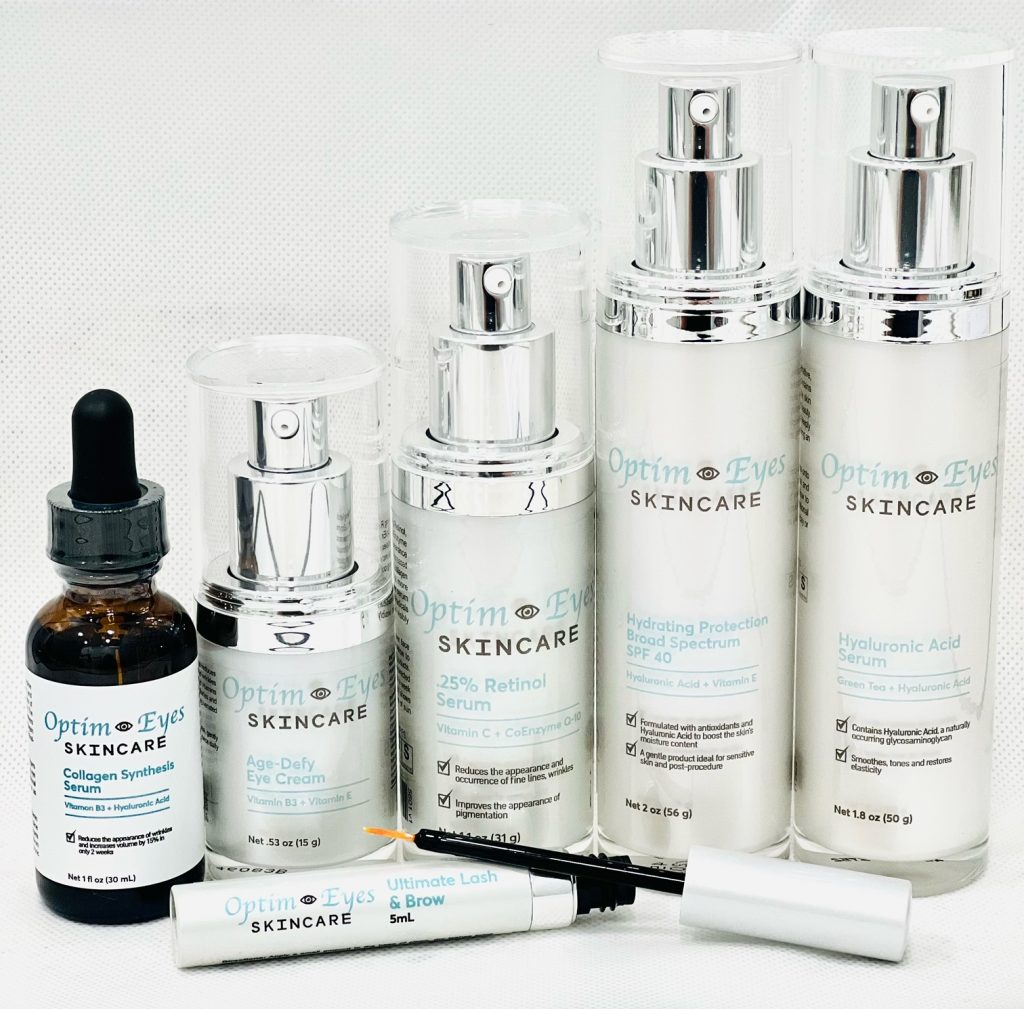
Schedule a consult with medical aesthetician Erika Lowery to discuss your skincare.
TempSure Envi
How Does TempSure Envi Skin Tightening Work?
TempSure Envi uses radiofrequency energy to gently heat targeted tissue beneath the skin’s surface. This controlled heating stimulates the body’s natural collagen response. As new collagen develops over time, patients may notice gradual improvement in skin firmness and the appearance of fine lines and wrinkles.
Treatment is non-surgical and can be performed on several areas of the face. Our team will recommend a treatment plan based on your skin, treatment goals, and the areas you would like to address.
TempSure Envi
What to Expect
TempSure Envi treatments are performed in the office and typically take about 30–45 minutes, depending on the treatment area. During treatment, patients generally experience a warming sensation as radiofrequency energy is delivered to the skin.
Temporary redness or warmth may occur after treatment and typically resolves quickly. Most patients can return to their normal daily activities following treatment.
Skin-tightening results develop gradually as collagen remodeling occurs. The number and frequency of treatments recommended will depend on your skin, treatment area, and cosmetic goals. Our team will create an individualized treatment plan during your consultation.
TempSure Envi
TempSure Envi Before & After
Ready to Learn More About TempSure Envi?
Schedule a consultation to learn whether TempSure Envi is right for your skin and cosmetic goals.